

What if one of the easiest ways to protect your brain was something you already love doing?
New research is making a compelling case: people who listen to music daily may have a significantly lower risk of dementia—nearly 40% lower, according to a major study.
No expensive supplements. No grueling brain training apps. Just… music.
Your Brain on Music: A Full-Body Workout
Here’s what makes music special: it doesn’t just tickle one corner of your brain. It floods the whole thing with activity.
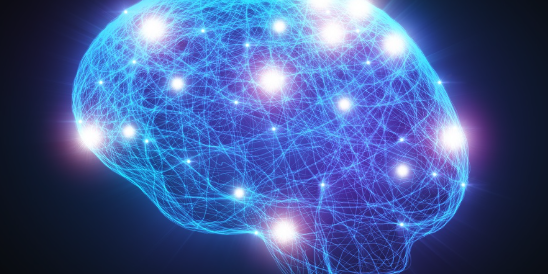
Press play on your favorite track and watch what happens inside your head. Your auditory cortex starts decoding sounds. Memory centers light up when a familiar melody hits. Emotional systems respond to whether the song feels happy, melancholic, or nostalgic. And your motor cortex? It’s already getting your foot tapping before you consciously decide to move.
According to Harvard Medicine Magazine, music activates the hippocampus, amygdala, limbic system, and motor regions simultaneously. Dr. Andrew Budson, a cognitive and behavioral neurologist, explains that because so many systems engage at once, music gets “encoded as a rich experience.”
Compare that to reading (mostly language centers) or puzzles (mostly logic). Music is like a symphony inside your skull—everything working together, strengthening connections between regions that might otherwise stay isolated.
The Numbers Are Hard to Ignore
A research team at Monash University in Australia tracked over 10,800 adults aged 70+ for nearly a decade. Their question was simple: does regular music engagement affect cognitive health?
The findings were remarkable.
Those who listened to music consistently—not occasionally, but as a regular habit—showed a 39% lower incidence of dementia. They also performed better on memory assessments and maintained sharper overall cognition.
Playing an instrument came with a 35% risk reduction. Combining both listening and playing? A 33% lower dementia risk plus 22% fewer cases of other cognitive impairments.
“Music activities may be an accessible strategy for maintaining cognitive health in older adults,” noted lead researcher Emma Jaffa. (Monash University)
Why Familiar Songs Hit Harder
Ever notice how a song from 20 years ago can transport you instantly to a specific moment? The smell of that room. The person you were with. The feeling in your chest.
That’s because music and emotional memory are deeply intertwined. Songs get encoded alongside life experiences in ways that make them remarkably sticky—even when other memories start to fade.
This is why music therapy produces such powerful results in dementia patients. Someone who can’t remember what they had for breakfast might still light up and sing along to a song from their wedding day. Those neural pathways, built through emotional experience, appear to be among the last to deteriorate.
Harvard Health points out that music engages some of the broadest neural networks in the brain—spanning emotion, memory, and movement. Keeping those networks active and interconnected may be part of what makes music protective over time.
The Hidden Benefit: Stress Reduction
We don’t often think of music as medicine, but it acts like it.
Chronic stress wreaks havoc on the brain. Elevated cortisol damages memory centers, accelerates cognitive decline, and creates inflammation. Anything that consistently lowers stress is doing real protective work.
Music does exactly that. Familiar or calming tracks can slow heart rate, ease muscle tension, and shift your nervous system out of fight-or-flight mode. Over years, those small moments of relief add up—potentially shielding brain cells from long-term damage.
There’s a reason hospitals and care facilities pipe in soothing music. It’s not just about ambiance. It genuinely helps.
Connection Through Sound
Loneliness is a stealth threat to cognitive health. Social isolation has been repeatedly linked to faster mental decline in older adults.
Music naturally pulls people together. Concerts. Sing-alongs. Sharing a playlist with a friend. Dancing at a family gathering. Even debating whether that new album is any good.
For older adults especially, music can maintain social bonds when mobility or communication becomes more difficult. Group music sessions in care settings consistently boost participation and interaction—benefits that compound alongside the cognitive stimulation.
Gentle on the Mind, Powerful Over Time
One reason music works so well is that it doesn’t feel like work.
Your brain naturally analyzes patterns, anticipates the next note, and responds emotionally—all without conscious effort. There’s no frustration, no sense of failing at a task. Just enjoyment.
That matters more than you might think. Activities that feel like a chore tend to get abandoned. But a favorite song? A go-to playlist? Those stick around for life.
Researchers emphasize that consistency trumps intensity here. Decades of regular listening appear more beneficial than occasional bursts. Music works best as a long-term companion, not a short-term fix.
Making It Practical
You don’t need to overhaul your life. Small shifts are enough:
→ Put music on while you make breakfast or commute
→ Build playlists that match different parts of your day
→ Revisit albums that meant something to you years ago
→ Try something new—a genre you’ve never explored
→ Share what you’re listening to with someone you care about
→ Catch a live show when you get the chance
The point isn’t discipline. It’s pleasure sustained over time.
The Bigger Picture
Let’s be clear: music isn’t a magic bullet. Dementia risk is shaped by genetics, exercise, diet, sleep, and social connection. No single habit erases all of that.
But music slots effortlessly into a brain-healthy lifestyle—and unlike many protective factors, it’s something most people genuinely enjoy. It requires no prescription. It costs almost nothing. And the research suggests it may be doing more for your long-term health than anyone realized.
As the Monash researchers put it: “Brain aging is not just based on age and genetics but can be influenced by one’s own environmental and lifestyle choices.”
So crank up the volume. Dust off those old playlists. Let music back into the quiet corners of your day.
Your future self might thank you for it. 🎧
What’s a song that instantly brings you back to a specific memory? Drop it in the comments on Facebook 👇