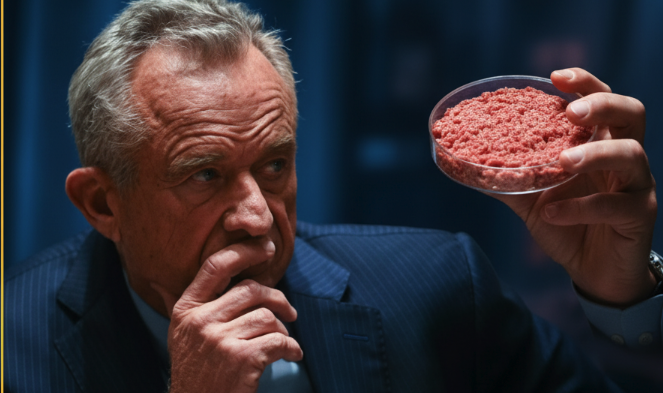

Debate Grows as Robert F. Kennedy Jr. Signals Interest in Restricting Lab-Grown Meat
Reports that Robert F. Kennedy Jr. may support restrictions—or an outright ban—on lab-grown meat have reignited a nationwide debate over the future of food in America. The issue touches on far more than diet, raising questions about food safety, government regulation, environmental impact, corporate power, and consumer freedom.
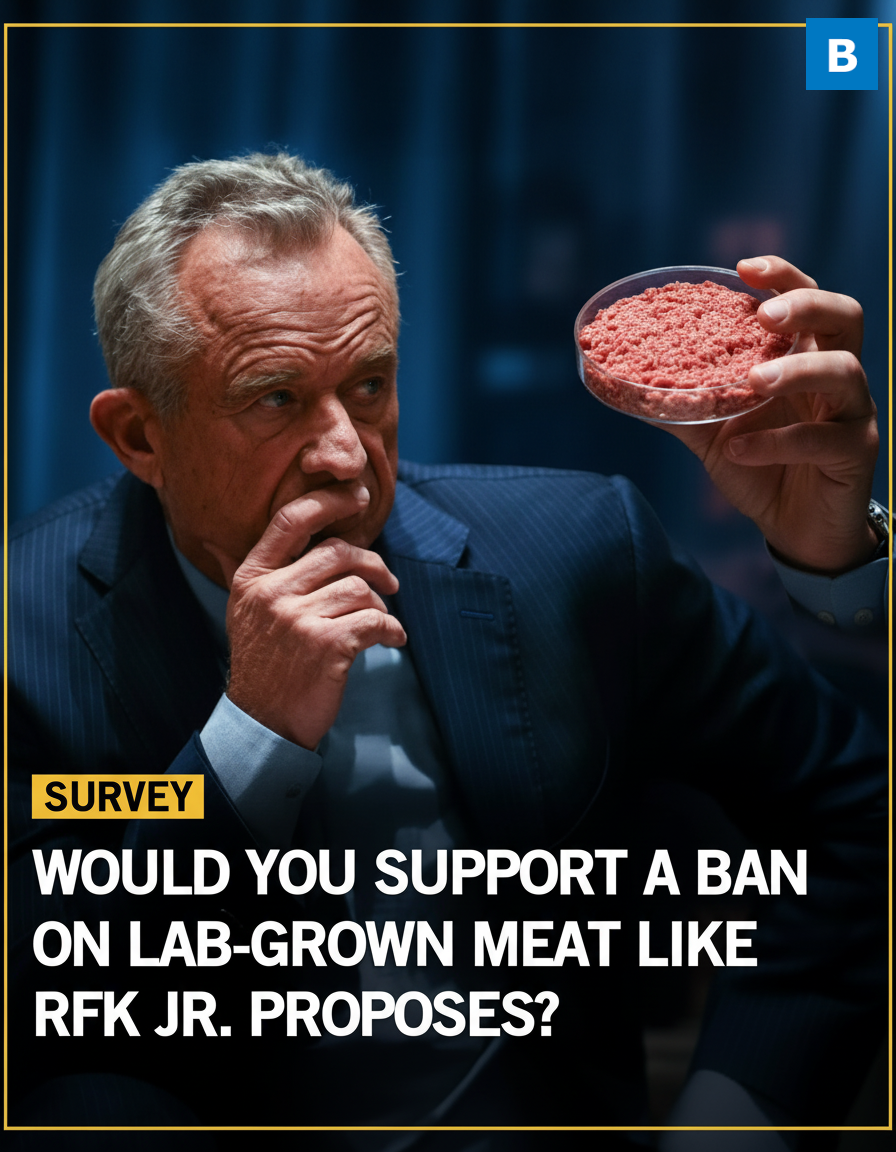
Lab-grown meat, also known as cultivated or cell-based meat, is produced by growing animal cells in controlled laboratory environments rather than raising and slaughtering livestock. Supporters argue the technology could dramatically reduce greenhouse gas emissions, land use, and animal suffering. They also say it offers a way to meet rising global protein demand without placing additional strain on the planet.
But critics remain deeply skeptical. Some warn that the long-term health effects of consuming lab-grown meat are still unknown, noting that the products are relatively new and lack decades of dietary data. Others raise concerns about transparency, questioning how these foods are produced and regulated, and whether current safety frameworks are sufficient.
There is also growing unease about corporate influence. Unlike traditional farming, which is often decentralized and family-owned, cultivated meat is largely controlled by venture-backed startups and major food conglomerates. Opponents argue this could further consolidate the food supply into the hands of a few powerful companies, reducing resilience and consumer choice.
Traditional farmers and ranchers have voiced particular concern. Many see lab-grown meat as a direct threat to livelihoods that have sustained rural communities for generations. They argue that government support for cultivated meat could undermine domestic agriculture and reshape food systems in ways that favor technology firms over farmers.
Supporters counter that innovation and traditional agriculture do not have to be mutually exclusive, and that clear regulations—not bans—are the best way forward. They argue consumers should ultimately decide whether lab-grown meat belongs on their plates.
As policymakers weigh their options, the debate shows no signs of slowing. Whether lab-grown meat becomes a staple of the American diet or faces sweeping restrictions may depend on how lawmakers balance innovation, safety, economic interests, and public trust in the years ahead.