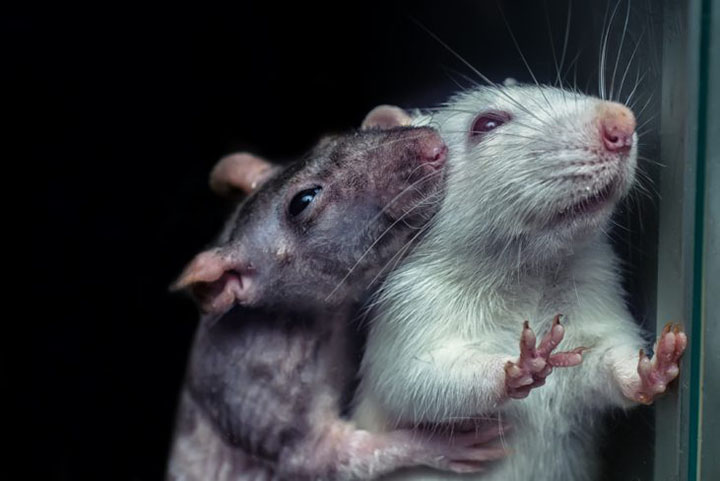

A new study has revealed something remarkable: rats will actually avoid actions that hurt another rat—even when it means giving up a sweet treat. Scientists call this behavior harm aversion, and it shows that empathy runs much deeper in the animal kingdom than many people realize.
Choosing Kindness Over Candy
Researchers trained rats to press one of two levers for sugary rewards. Once a rat picked a favorite lever, scientists changed the rules: pressing that preferred lever would now deliver a small shock to a rat in the next cage.
The moment the shocked rat squeaked in protest, something incredible happened. The first rat stopped using the lever it loved most. It chose to skip the treat rather than cause pain to another.
“Much like humans, rats actually find it aversive to cause harm to others,” explained Dr. Julen Hernandez-Lallement, a researcher at the Netherlands Institute for Neuroscience.
What’s Happening in Their Brains
Brain scans showed that a region called the anterior cingulate cortex lit up during these moments of restraint. This is the same area that activates in humans when we empathize with someone else’s pain.
“It shows that the moral motivation that keeps us from harming our fellow humans is evolutionarily old,” said senior author Dr. Valeria Gazzola. “It’s deeply ingrained in our biology.”
Why This Matters for People
Scientists believe these findings could one day help them develop better treatments for people who struggle with empathy, including individuals with psychopathic traits.
“We share a mechanism that prevents antisocial behavior with rats,” said study leader Professor Christian Keysers. “That’s extremely exciting, because it gives us powerful new tools to understand and improve harm aversion in humans.”
This tiny act of kindness inside a lab cage hints at something big: empathy isn’t just human—it may be woven into the roots of life itself.